
Dr Steve Seah
Senior Consultant Ophthalmologist
MBBS, FRCS(G), M Med(Ophth)
FRCS(Ed), FRCOphth, FAMS

Eyesight is one of the most critical senses for navigating daily interactions, maintaining one’s independence and ensuring overall quality of life. However, it is often taken for granted until vision begins to decline.
Some symptoms of serious eye conditions may appear mild or temporary at first, but they can signal underlying damage or strain that requires prompt medical attention. Recognising these warning signs early and seeking timely evaluation can make a significant difference in preserving vision.
These eight “red flags” may signal something more serious than momentary discomfort:
1. Persistent Dryness, Tearing or Irritation
Persistent dryness, irritation or excessive tearing may seem like a minor inconvenience, but these symptoms often reflect an imbalance in the eye’s tear film or surface health. Over time, untreated dry eye can lead to chronic inflammation, damage to the cornea and increased susceptibility to infections.
Excessive tearing, on the other hand, may indicate blocked tear ducts or underlying irritation that the eye is trying to compensate for. Left unattended, these symptoms could affect visual quality and long-term eye health.
2. Redness, Swelling or Discharge
Occasional redness may occur due to fatigue or environmental factors, but persistent redness accompanied by swelling, discharge or discomfort often signals inflammation or viral or bacterial infection. Certain inflammatory conditions involve deeper structures of the eye and can lead to serious complications if untreated.
3. Sensitivity to Light (Photophobia)
Sensitivity to light, also known as photophobia, can range from causing mild discomfort to significant pain when exposed to normal lighting conditions. This symptom is commonly associated with dry eye, corneal abrasions or inflammation within the eye, such as iritis. In some cases, it may also be linked to neurological conditions like migraines. Persistent or severe light sensitivity can interfere with daily activities and may indicate that the eye is under stress or suffering from injury.
4. Blurry or Distorted Vision
Persistent distortion can indicate severe issues like age-related macular degeneration (AMD) or a detached retina. Straight lines may appear wavy or objects may seem warped in particularly significant cases. These changes can make everyday tasks like reading or recognising faces difficult.
5. Double Vision or Misalignment
Double vision, or diplopia, occurs when a single object is perceived as two images. This may affect one or both eyes and can result from problems in the cornea, lens or the coordination of eye muscles. Sudden onset of double vision is especially concerning and should be evaluated promptly, as it may indicate an underlying neurological issue or nerve dysfunction that requires urgent attention.
6. Intense Eye Pain or Discomfort
Persistent, sharp or deep eye pain is not normal and should be taken seriously. Pain may arise from corneal injuries, infections or conditions such as acute angle-closure glaucoma. This can lead to vision loss if not treated quickly. When eye pain is accompanied by redness, blurred vision, headache, nausea or vomiting, it may signal a particularly severe condition that requires immediate medical care.
7. Flashes or Sudden Increase in Floaters
Seeing occasional floaters is common, especially with age, but a sudden increase in their number or the appearance of flashes of light can indicate changes in the vitreous gel pulling on the retina. This traction can lead to retinal tears or detachment, which patients often describe as causing flashes, lightning-like streaks or flickers in their peripheral vision. The retinal tears may progress rapidly if left untreated.
8. Sudden Vision Loss
Sudden vision loss in one or both eyes is a medical emergency that requires immediate attention. It may present as a complete blackout, partial shadow or severe blurring that develops within seconds or minutes. This can be caused by retinal detachment, blockage of blood flow to the eye, optic nerve issues or even an incoming stroke. If you find yourself unable to see, prompt diagnosis and treatment are critical, as delays can result in irreversible damage and permanent loss of sight.
Why Recognising Eye Symptoms Early Matters
Many serious eye conditions develop gradually and may not cause noticeable symptoms in their early stages. By the time vision changes become apparent, the condition may have already progressed and become more difficult to treat. This is especially true for conditions such as glaucoma, diabetic retinopathy and macular degeneration, where early detection plays a key role in preserving vision.
Recognising warning signs early allows for timely diagnosis and intervention, often leading to more effective and less invasive treatment.
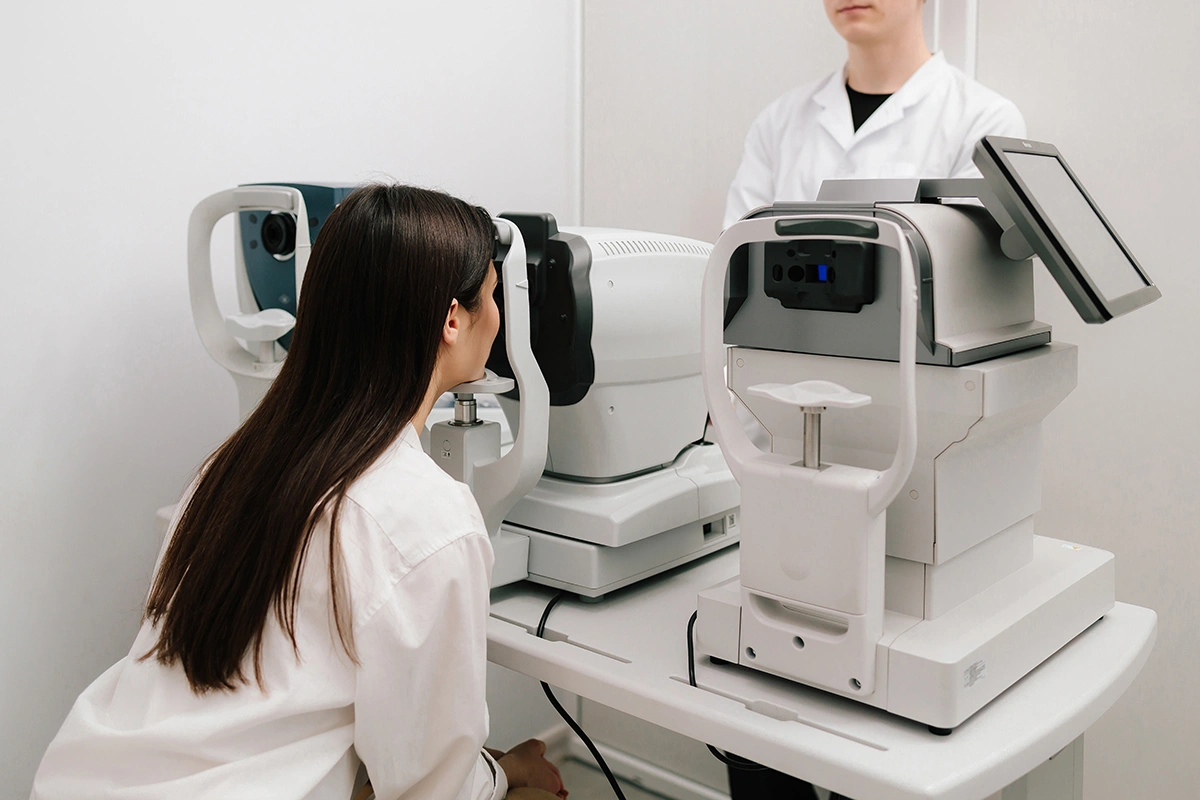
At Steve Seah Eye Centre, we tailor comprehensive eye assessments to identify potential issues early and guide appropriate management for each patient. Care is led by Dr Steve Seah, our senior consultant ophthalmologist, who brings over 30 years of clinical experience in diagnosing and managing a wide range of eye conditions, helping patients protect their vision and maintain long-term eye health.
Contact us today to schedule a consultation and take the next step towards protecting your vision.
